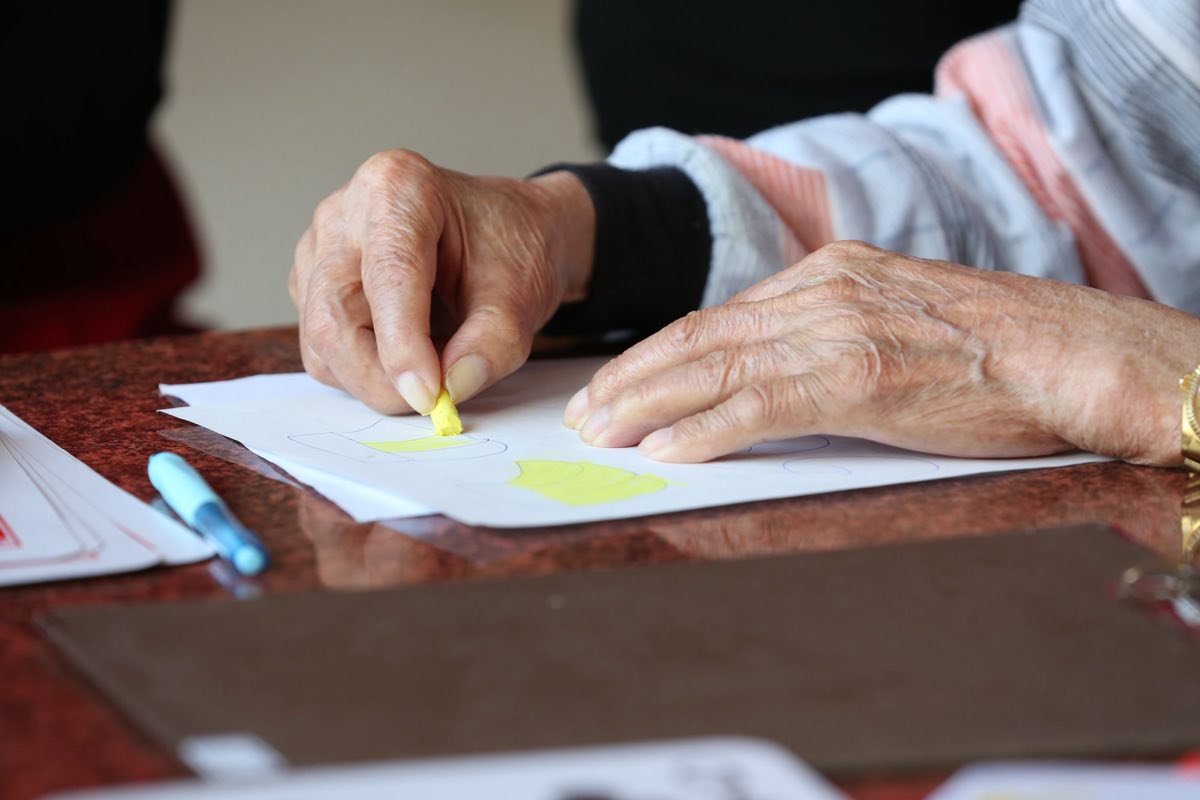
Occupational therapy focuses on the practical activities patients need to manage daily life safely and as independently as possible.
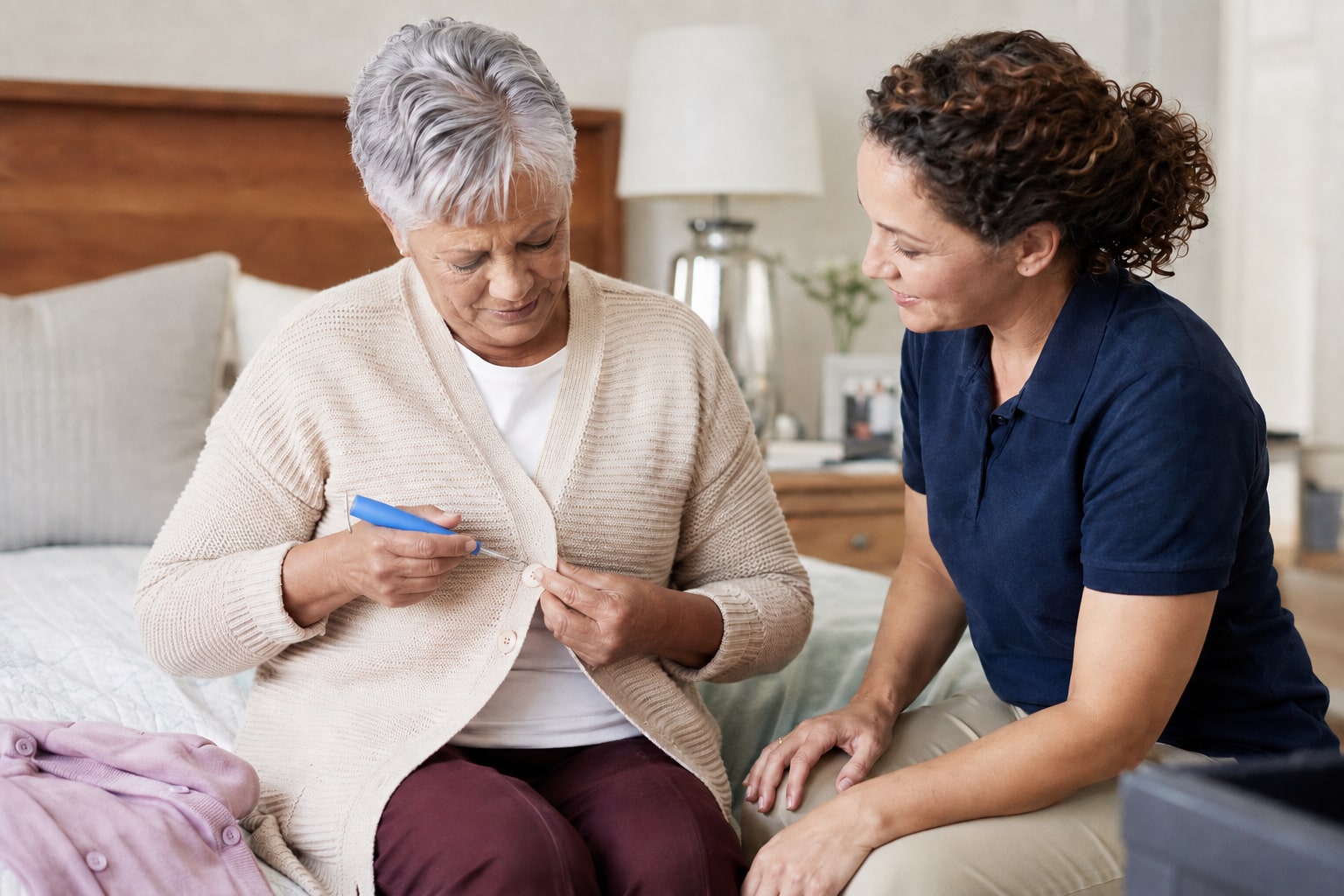
Because therapy takes place in the home, the occupational therapist can evaluate real-world challenges involving bathing, dressing, grooming, meal-related activities, household movement, energy use, and home safety.
How This Service May Help
- Improve performance of daily activities
- Practice safer bathing, dressing, grooming, and toileting routines
- Address upper-body strength, coordination, and functional use
- Teach energy-conservation and task-simplification strategies
- Recommend adaptive techniques or equipment
- Evaluate home-safety challenges
- Support cognitive strategies for daily routines when appropriate
- Educate caregivers about safe assistance techniques
Who May Benefit
Occupational therapy may benefit eligible patients whose everyday activities have become difficult or unsafe.
- An illness or injury
- Recovery after surgery
- Weakness
- Cognitive changes
- Physical limitations that make everyday activities difficult or unsafe
Services depend on eligibility, medical necessity, provider orders when applicable, coverage requirements, staffing availability, and the individualized plan of care.
Coordinated Around the Plan of Care
The occupational therapist develops practical goals based on the patient’s needs and home environment. Services are coordinated with the ordering provider and other members of the home health team.
Ask About Home Health Services
Call At-Home Health to discuss the patient’s needs, referral status, and possible next steps. Services depend on eligibility, provider orders, clinical need, coverage requirements, staffing availability, and the individualized plan of care.
For medical emergencies, call 911.